A smart home without the internet: which devices keep working?
What stops and what keeps going when the router loses the internet. How to tell local control from cloud control, how to test your own home and what to prepare in advance.
- Level
- Beginner
- Active time
- 30–60 minutes
- Home Assistant required
- Yes
The internet goes down. It may be a fault at the provider, or a router that has been switched off. The question is not whether it will happen, but what will be dark when it does.
A smart home that turns out to be useless without the internet is an unpleasant surprise. That is why we test it in advance.
What you will get
- An inventory of your integrations, marked local or cloud.
- A safe test with the internet switched off.
- A short plan for manual control of what matters.
You buy nothing. The project is for checking.
What you need
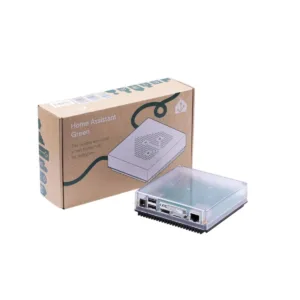
- Home Assistant on the local network. Its automations run on its own computer.
- The list of integrations: Settings → Devices & services.
- A time when nobody needs the internet. Don’t run the test in the middle of a working day.
How it works
Home Assistant is local. It is on a computer in your home, and its rules are executed there. The internet is needed by the integrations that talk to a cloud.
The integrations’ documentation has a field for the type of connection. Look for “Local polling”, “Local push” and “Cloud polling”, “Cloud push”. The first two work on your network. The other two depend on the manufacturer’s server.
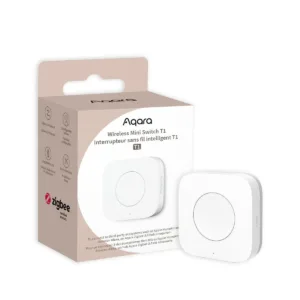
A practical rule: if the device is controlled over the local network or through a Zigbee adapter in Home Assistant, it keeps working without the internet. If it is controlled through the manufacturer’s server, it stops.
How it is at our place
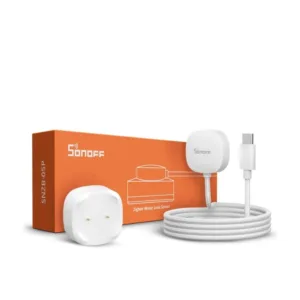
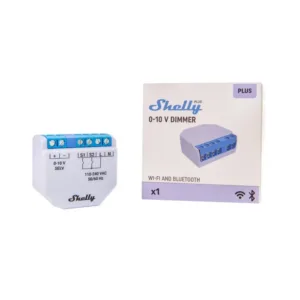
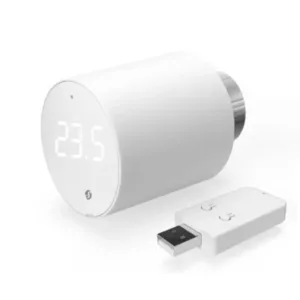
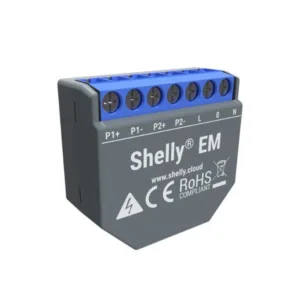
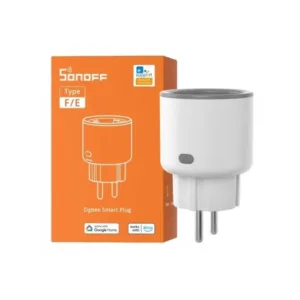
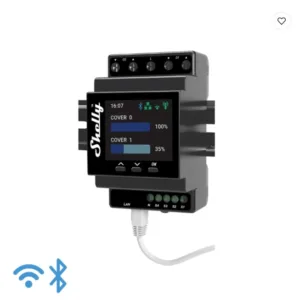
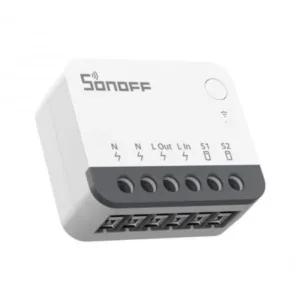
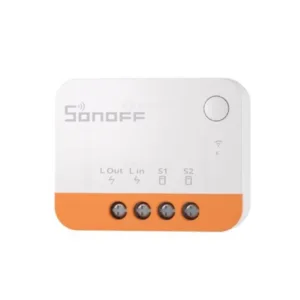
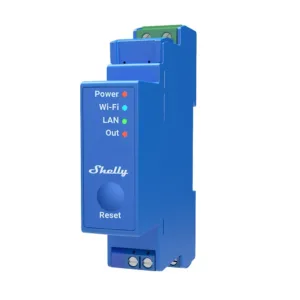
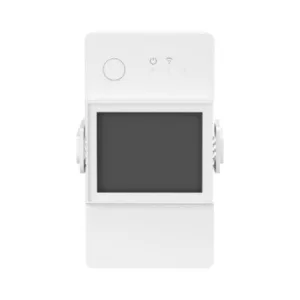
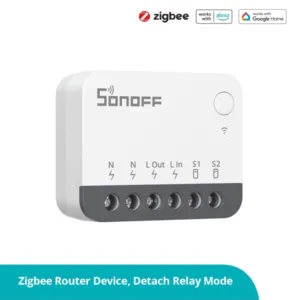
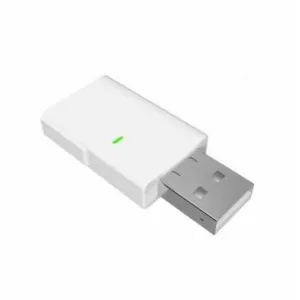
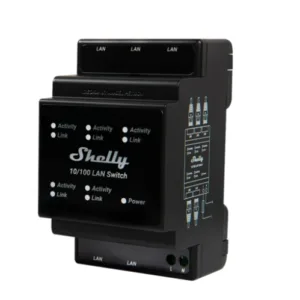
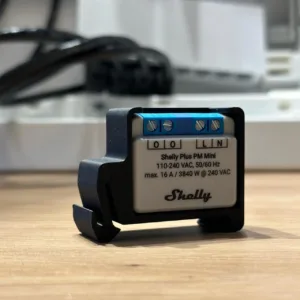
In Marto’s Home Assistant the local core is Zigbee devices through an adapter with ZHA, Shelly and Sonoff devices on the network and WLED strips. Things like Tessie (the car is in Tesla’s cloud), notifications to the phone through the app and audiobooks in Music Assistant, if they come from an external service, have a cloud dependency.
Steps
- Open the list of integrations. For each one write in a notebook: local or cloud. The information is on the integration’s page in the documentation.
- For each cloud one write down what would stop. Example: “car – I can’t pre-heat it”.
- Prepare the test: choose a short period when the internet can be cut, and warn the household.
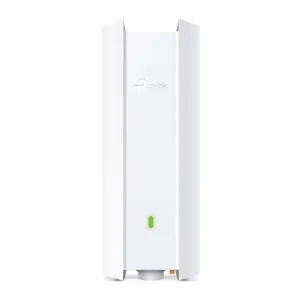
- Switch off the internet so that the network stays: cut the cable between the router and the provider (WAN), and leave Wi-Fi on. Don’t switch off the router.
- Try from the dashboard: lamps, plugs, sensors, automations. Write down what happens.
- Bring the internet back and check whether the cloud integrations recover by themselves.
Checking the result
- The automations with local sensors and a relay keep working.
- Cloud entities become unavailable. Check whether any of your automations react to “unavailable” as if it were “off”.
- Notifications to the phone may stop. Know how to control from the dashboard on the network.
If it doesn’t work
- Nothing works with the internet off: the whole router was switched off or Home Assistant lost its connection to the network. Check the cables.
- One lamp can’t be controlled: its integration is cloud-based. See the manufacturer’s documentation.
- After the internet returns the automations fire all at once: add conditions to automations with cloud triggers.
Limitations
Weather forecasts, cloud cameras and third-party voice assistants stop. Remote access to the home doesn’t work without the internet. Keep the wall switches and manual control of what matters: the water heater, heating and the front door.
Sources and verification status
- Integrations in Home Assistant, checked on 22.11.2026: the page of each integration describes the connection type (IoT class).
- ZHA, checked on 22.11.2026.
- Shelly, checked on 22.11.2026.
- Marto’s home setup was read in read-only mode in his Home Assistant on 22.11.2026.
The classification by integration follows the documentation.
At home
Marto
The basis of Marto's Home Assistant is local: Zigbee through a USB adapter with ZHA, Shelly and Sonoff devices and WLED strips on the home network. The car through Tessie, notifications to the phone and audiobooks in Music Assistant depend on external services.
Need a hand?
We can set up and install everything in this project. In some regions we install it ourselves — ask us.
Contact us